 About The Authority
 Board of Directors
 FAQs
FAQs History
 Centers
 Departments
 Organizational Chart
The Saudi Red Crescent Authority (SRCA) is implementing its operational plan for the 1447 AH Hajj season as part of an integrated national health ecosystem. The plan aims to enhance emergency service readiness and raise response efficiency for emergency cases across pilgrims’ locations at the holy sites and roads leading to them.
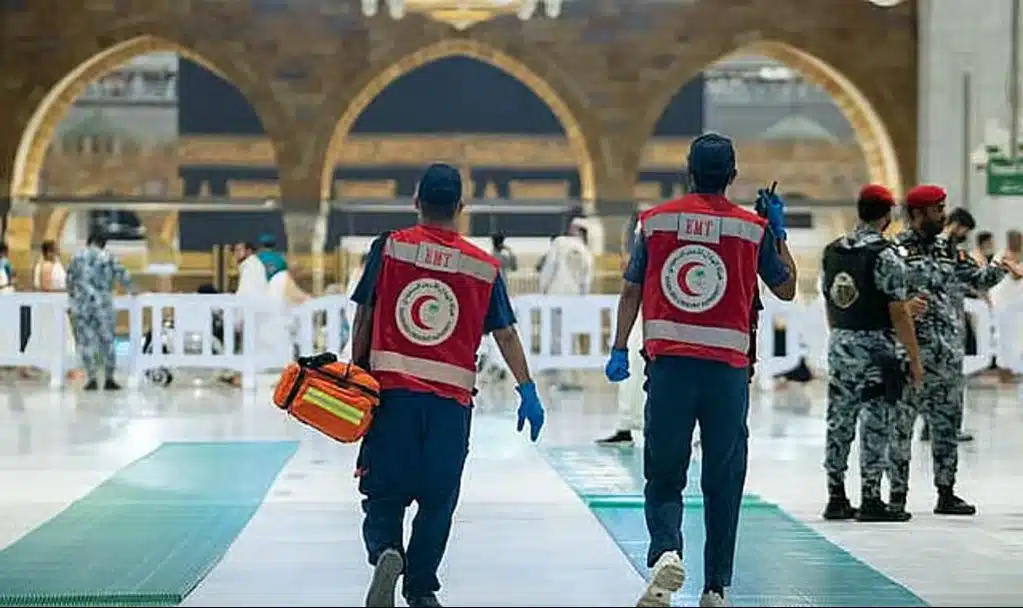
SRCA spokesperson Dr. Taimour S. Jan stated that the operational plan begins upon pilgrims’ arrival at the Kingdom’s entry points and extends through a field deployment system covering all stages of the pilgrim journey. The system includes 526 emergency dispatch points distributed according to automated monitoring of density and movement within the Holy Capital, the Grand Mosque, and the holy sites.
He stated that the dispatch points include 70 emergency response points across Makkah, 75 within the Grand Mosque area, 178 in Mina, in addition to 203 emergency response points in Arafat and Muzdalifah, ensuring rapid access to cases and enhancing the efficiency of field response.
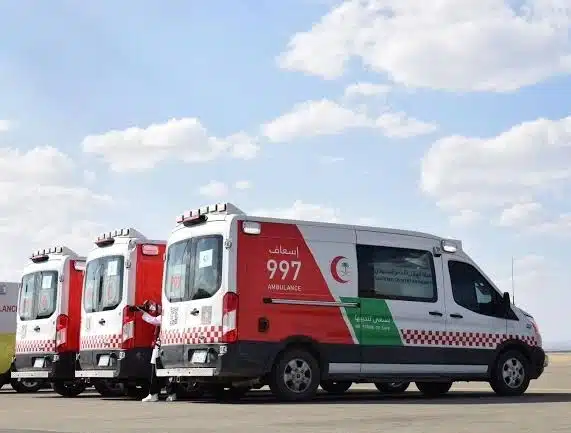
He noted that the authority has deployed a fleet of more than 900 emergency vehicles, including 305 ambulances equipped for advanced care and critical-case transport, 20 rapid intervention vehicles “Ebayya,” 119 golf carts for high-density corridors and camps, 23 motorcycles, 155 scooters, 200 “Rufaidah” electric emergency wheelchairs, 80 bicycles for field monitoring, and seven air ambulances for critical cases.
He added that the operational plan also includes the readiness of nine advanced specialized vehicles designated for major incidents and multiple casualties, within approved response plans aimed at enhancing the efficiency of handling various reports and emergency cases.
He explained that the authority has deployed emergency response tools inside the holy mosque that are suited to the nature of the site and its high crowd density, most notably “Rufaidah,” an electric emergency response vehicle that helps reach cases within congested pathways and provide direct medical care.
The plan relies on more than 2,771 emergency personnel and health volunteers, including 1,771 specialized emergency and operational personnel and 1,000 qualified health volunteers. The workforce includes 42 medical control physicians, 1,533 emergency service providers, and 196 medical evacuation specialists operating within a unified field system to support rapid response and service quality.
He also noted the participation of private sector teams in the operational plan through the deployment of 264 ambulance units and 725 mobile emergency response units, in support of the emergency response system across the Holy Sites.
Dr. Jan explained that emergency services are managed through an integrated response pathway beginning with receiving reports, followed by assessment and medical guidance, then field case management and appropriate medical decision-making, whether treatment on site or transfer to health facilities through approved specialized routes.
He added that emergency units are connected to command and control rooms that continuously monitor field indicators and support resource distribution and readiness enhancement, ensuring rapid response and efficient handling of various cases during the Hajj season.
Share on
Related News
SRCA branch in the Eastern Region Responds to More Than 9,000 Medical Emergency Calls During July 2026
The Saudi Red Crescent Authority’s Eastern Region branch released the official statistics for its Medical Dispatch and Emergency...
Deputy Governor of Al-Baha Region Meets with Director of the Region’s Red Crescent Authority Branch
His Highness Prince Fahd bin Saad bin Abdullah bin Turki, Deputy Governor of Al-Baha Region, received today in...
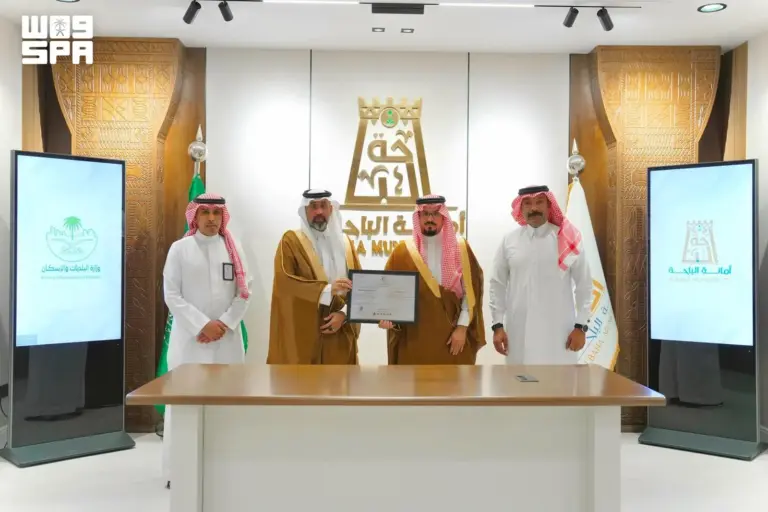
The Saudi Red Crescent Presents a Compliance Certificate to Al-Baha Municipality
The Saudi Red Crescent Authority in Al-Baha Region presented the Municipality with an emergency medical safety compliance certificate...

Saudi Red Crescent Authority Team Qualifies for the 2026 World First Aid Championship Finals
The Saudi Red Crescent Authority team has qualified for the 2026 World First Aid Championship Finals after successfully...
